
A note on transparency, education, & business.
At Linnea Interiors, I believe good design starts with transparency and education. Renovating, furnishing, or building a home is a major investment, and understanding realistic budgets, timelines, and expectations helps create a smoother and more enjoyable experience for everyone involved.
One of the most common misconceptions in the design industry is that beautiful homes happen quickly or inexpensively. In reality, thoughtful design requires planning, collaboration, quality craftsmanship, and intentional selections that are meant to last.
My goal is to help clients make informed decisions while creating homes that feel personal, timeless, and functional for the way they live. This page is designed to provide realistic guidance based on average pricing and processes commonly seen in the Midwest.
Every project is different, but these ranges can help you begin planning with clarity and confidence.
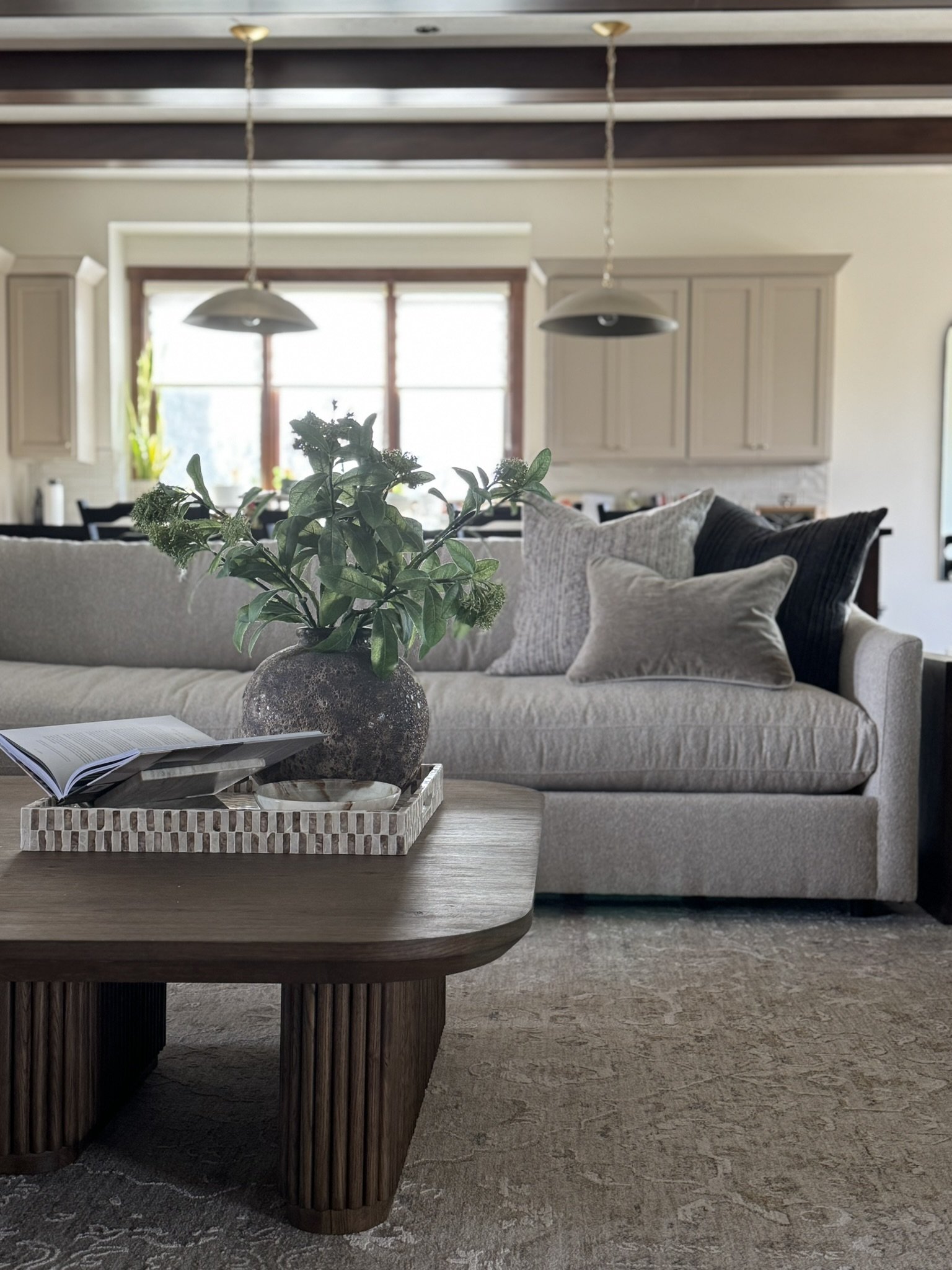
FURNISHINGS | A realistic budget in the Midwest
Furniture budgets can vary dramatically depending on the size of the room, level of customization, quality of materials, and how complete the design scope is.
-
A common rule of thumb for furnishing a new build is budgeting approximately:
10-20% of the home's value for furnishings, window treatments, lighting, rugs, and styling.
Examples:
$500,000 home → approximately $50,000–$100,000 furnishing budget
$1M home → approximately $100,000–$200,000 furnishing budget
This varies based on:
How many rooms are being completed
Desired quality level
Custom vs retail furnishings
Existing pieces being reused
Window treatment scope
Styling expectations
Many clients are surprised that fully furnishing a home often costs more than expected. Quality furniture, custom upholstery, rugs, drapery, and lighting add up quickly, especially when designing an entire home cohesively.
-
Typical investment: $15,000–$35,000+
This may include:
Sofa or sectional
Accent chairs
Coffee table
Side tables
Rug
Lighting
Window treatments
Styling accessories
Art
-
Typical investment: $10,000–$25,000+
This may include:
Bed frame
Mattress
Nightstands
Dresser
Rug
Bedding
Lighting
Window treatments
Seating
-
Typical investment: $6,000–$18,000+
This may include:
Dining table
Dining chairs
Rug
Lighting
Storage or buffet
Styling
-
Typical investment: $4,000–$12,000+
This may include:
Desk
Desk Chair
Bookshelves
Storage Cabinet
Chairs or Sofa
-
Typical investment: $5,000–$25,000+
Quality outdoor furniture is often one of the most underestimated investments in a home.
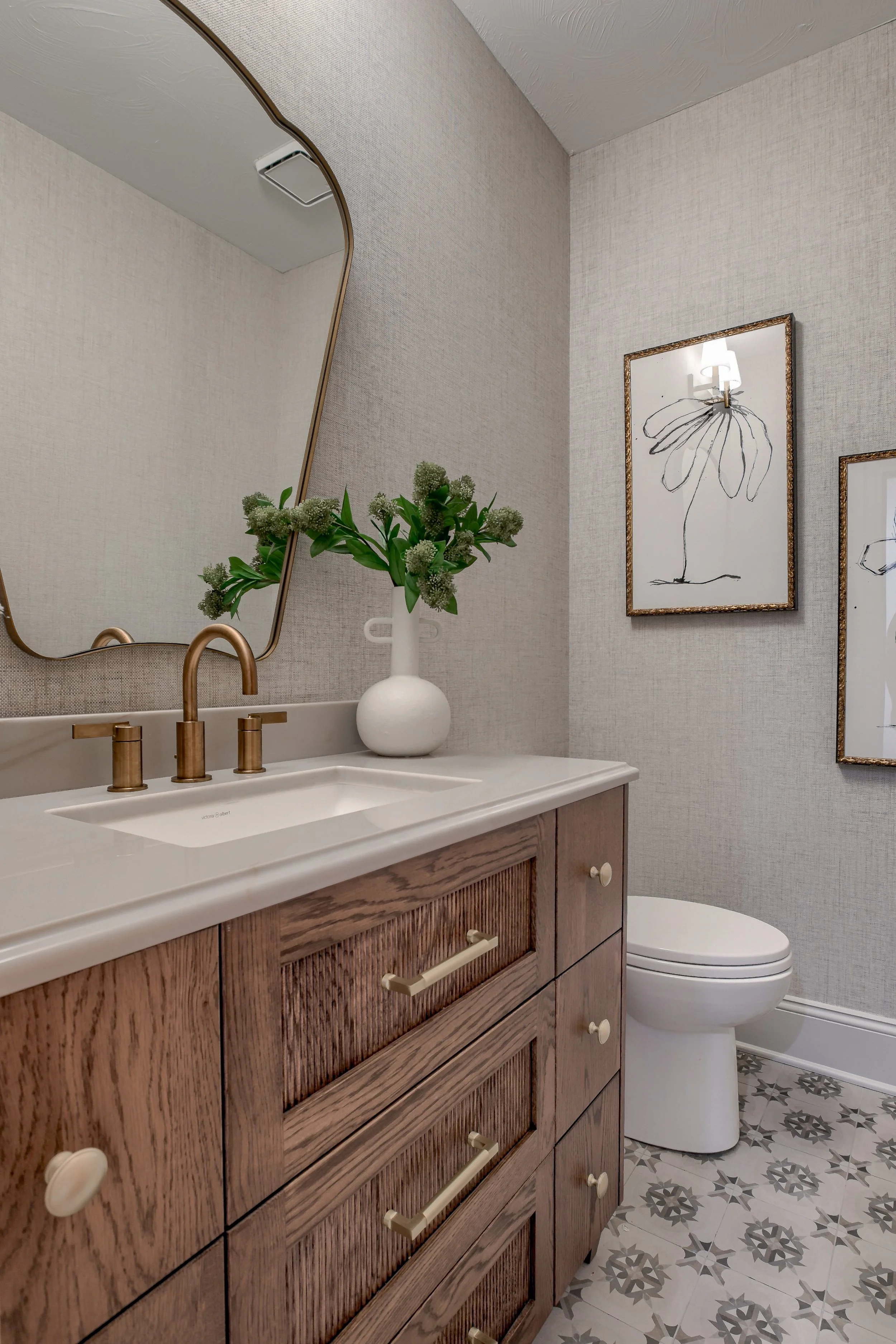
REMODELS | A realistic budget in the Midwest
Construction costs continue to fluctuate based on labor, material pricing, and project complexity, but below are realistic averages commonly seen in the Midwest.
-
Typical investment: $75,000–$140,000+
Factors that impact pricing:
Layout changes
Appliance selections
Cabinet customization
Countertop material
Flooring
Plumbing/electrical updates
Range hood details
Tile selections
A cosmetic kitchen update may cost less, while fully custom kitchens with structural changes can exceed these ranges.
-
Typical investment: $30,000–$70,000+
This may include:
Tile
Vanity
Stone countertops
Plumbing fixtures
Shower glass
Lighting
Heated flooring
Custom cabinetry
-
Typical investment: $12,000–$35,000+
Pricing depends heavily on:
Cabinetry size
Stone or plaster surround
Electrical/fireplace insert work
Wood detailing
Custom finishes
-
Typical investment: $8,000–$30,000+
Wet bars often include:
Cabinetry
Countertops
Tile backsplash
Beverage refrigerator
Plumbing
Lighting
DESIGN FEE EXPECTIONS
Design fees vary based on project size, scope, and level of involvement.
-
Space planning
Finish selections
Cabinetry design
Furniture sourcing
Construction drawings
Procurement
Project management
Styling and installation
-
Design Discovery: Hourly
Concept Design: Flat Fee
Design Development: Flat Fee
Ordering & Procurement: Percentage Based
Design Execution (Project Management, Construction Documents, On-site meetings, Styling & Installation: Hourly
Our Process
-
Discover
We begin with an in-home consultation to understand your lifestyle, needs, and vision. This step is about listening—how you live, what’s not working, and what you want your home to feel like.
-
Design
We develop a thoughtful design plan that balances beauty and function. This includes space planning, finish selections, custom details, and curated furnishings—every decision made with intention and longevity in mind.
-
Execute
Once the design is approved, we manage the details. From ordering and coordinating with vendors to tracking deliveries and overseeing installation, we handle the logistics so the process feels seamless.
-
Reveal
We complete the project with final styling and a cohesive reveal. The result is a home that feels personal, functional, and beautifully considered—designed to support the way you live.
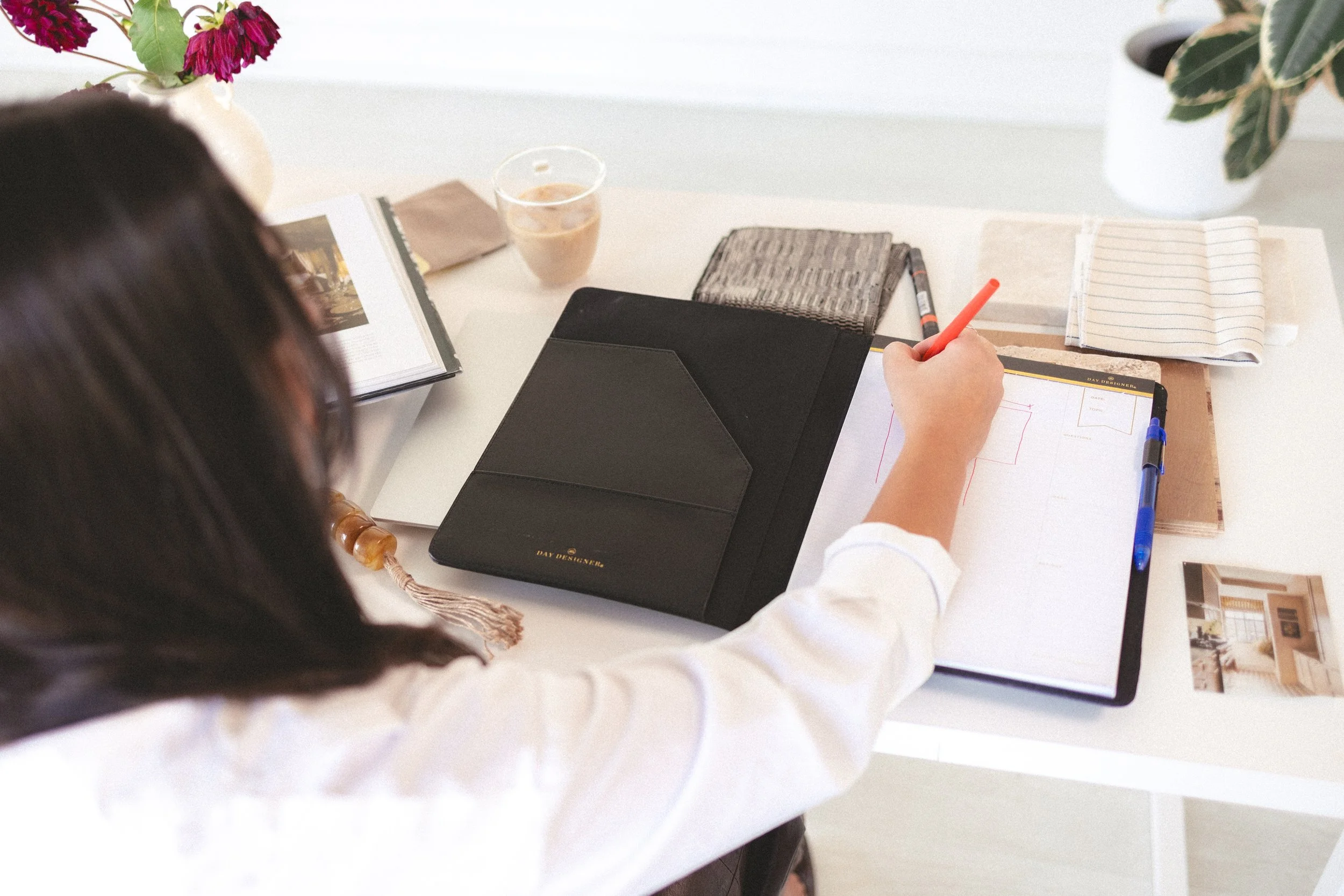
Things to think about before starting.
Before beginning a project, it is helpful to consider:
What spaces impact your daily life the most?
How long do you plan to stay in the home?
What is your realistic investment range?
Are you prioritizing aesthetics, function, resale, or all three?
Are there existing items you want to keep?
What frustrations are you hoping to solve?
What level of construction disruption are you comfortable with?
What is your ideal timeline?
The most successful projects begin with clarity and realistic expectations.

What’s important to you?
Every client values different things.
Some prioritize:
Timeless design
Natural materials
Family functionality
Low maintenance
Entertaining
Storage
Architectural character
Quality craftsmanship
Investment pieces
A calm and cohesive home
Understanding your priorities helps guide every design decision throughout the process.
FAQs
-
Full-service interior design is a comprehensive process where we manage all aspects of your project, from initial concept to final installation. This includes space planning, material selection, custom furniture, styling, and coordination with contractors and vendors.
-
Initial consultation to discuss your needs, preferences, and budget.
Concept development, including mood boards, floor plans, and design ideas.
Presentation of design concepts, with feedback for revisions.
Design development to refine all design details including 3D renderings
Ordering products and overlooking design execution.
Final installation and styling and reveal.
-
We take care of most of the work, but you’ll be involved in key decisions. Regular communication ensures the project reflects your vision and needs.
-
To ensure the quality, aesthetic alignment, and cost management, we prefer that any furniture and decor needed be purchased through us. We carefully curate each piece to fit the needs of our clients. In addition, we take care of any claims on product that is purchased through us.
-
Yes. It’s helpful to discuss this during the initial consultation so we can plan around those items.
-
Yes. If you do not already have a contractor, we have a network of trusted professionals that we can recommend.
-
Changes are often possible but could affect the timeline and budget after designs have been approved. Discussing changes as early as possible is crucial to minimize disruption.
-
On installation day, we will deliver and install furniture, decor, lighting, and any other final elements. The space is styled, artwork is hung, and final adjustments are made to ensure everything aligns with the design plan.
-
We spend time during the concept development phase to understanding your preferences and lifestyle. We'll create mood boards and visual concepts to ensure the design matches your vision. All the design and products will need to be approved by you before items will be purchased.